Garage Door Automation
Garage door automation has shifted dramatically in the last five years. Where the upgrade used to be 'manual to powered,' it's now 'powered to smart' — ...
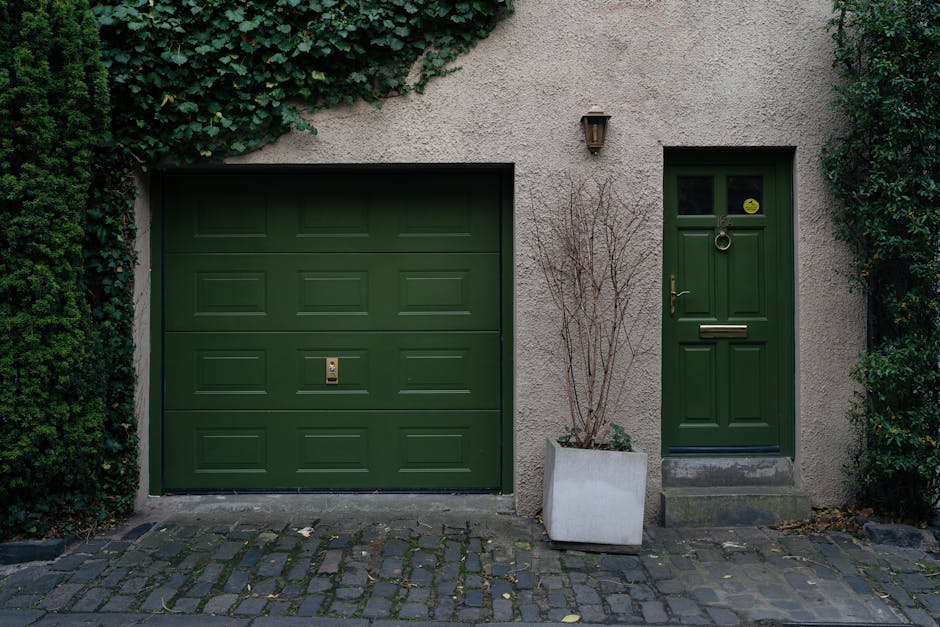
Garage door automation has shifted dramatically in the last five years. Where the upgrade used to be “manual to powered,” it’s now “powered to smart” — Wi-Fi connectivity, app control, voice control via Google Home or Alexa, and tighter integration with home-security systems like Ring or Arlo.
What “smart” actually adds
- Open / close from anywhere. “Did I close the garage?” check from your phone at work or on holiday. Close it remotely.
- Status notifications. Push alerts when the door opens, when it closes, or if it’s been left open longer than your set time.
- Voice control. “Hey Google, close the garage.” Useful when your hands are full.
- Scheduled operation. Auto-close at 10pm if left open. Open at 6am during the school run.
- Multiple-user codes. Each family member has their own code, app login, or remote — useful for tracking who’s coming and going.
- Integration with home security. Trigger the security system to arm/disarm based on the garage state.
What it costs
- Existing motor + add-on smart hub: $180-$280 if your existing opener is compatible with a third-party smart hub (Tailwind iQ3, Nexx Garage, B&D Smart hub).
- New smart-native opener: $620-$980 installed for a mid-spec brand (Merlin Pro Plus, B&D Smart, Chamberlain MyQ).
- Premium smart opener with home integration: $980-$1,400+ installed (LiftMaster MyQ Pro, Centurion Smart range).
For most Adelaide homeowners, the third-party hub is the budget option, the new smart-native opener is the right call when the existing motor is over 8 years old anyway.
Compatibility notes
Not every existing opener can be made “smart” cleanly. Things to check:
- Communication standard. Modern openers use rolling-code radio; smart hubs translate between rolling-code and Wi-Fi. Older fixed-code openers (pre-2010) usually don’t pair cleanly.
- Status sensors. Some smart hubs need a sensor on the door itself to detect open / closed; others use the opener’s motor draw. Sensor-based is more reliable.
- App ecosystem. B&D, Merlin, Chamberlain each have their own app; if you want unified control across multiple doors of mixed brand, the third-party hub is the right call.
Setting it up
A typical smart-opener install or upgrade is 60-120 minutes. The technician:
- Mounts the new opener (or installs the smart hub on the existing).
- Pairs the opener / hub to your home Wi-Fi.
- Walks you through the app installation, account creation, and first remote operation.
- Sets up scheduled close, status notifications, and voice integration if you’ve asked for them.
- Hands over written documentation with your account, app login, and emergency manual-release procedure.
Security considerations
Smart openers expand the attack surface — your garage door is now on the internet. Best practice:
- Use a unique password on the app account (not the same as your other passwords).
- Enable two-factor authentication if the app supports it.
- Use a guest Wi-Fi network for the opener if your router supports network segmentation.
- Enable the auto-close-after-N-minutes setting as a backup.
The trade-off is real but small. Most homeowners decide the convenience outweighs the residual risk.
Quick quote request
Request a free Garage Door Automation quote
One short form. We connect you with one trusted local Adelaide garage door technician.